JANUARY, 2026 — TODAY
Medical Products
Online store of Medical Products


AI Impressions:
646,000
AI Citations:
979
AI Revenue:
€1,225.70
JANUARY, 2026 — TODAY
Online store of Medical Products
AI Impressions:
646,000
AI Citations:
979
AI Revenue:
€1,225.70
SEP, 2025 — JAN, 2026
Online store of pet food
Clicks:
5,850
Impressions:
195,000
CTR:
3%
JUNE, 2026 — TODAY
Online store of Medical Products
Clicks:
1,090
Impressions:
60,500
CTR:
1,8%
Numbers
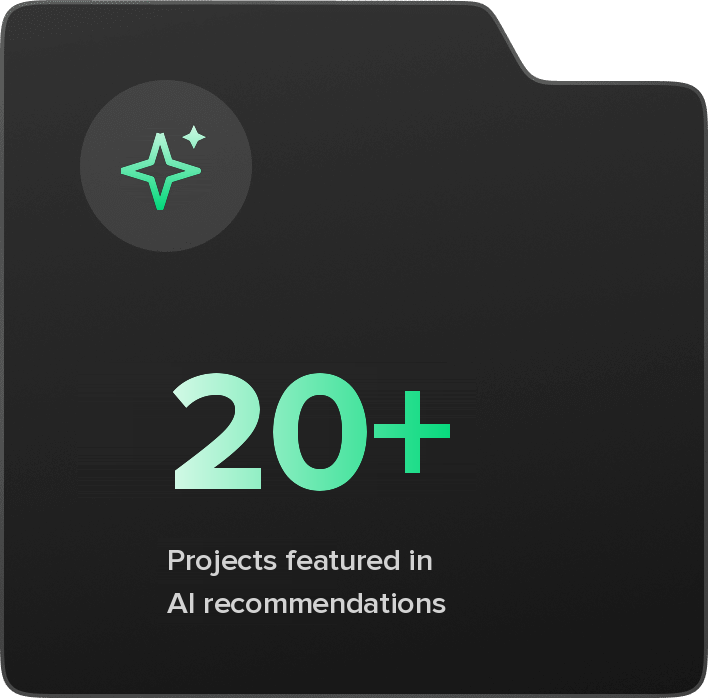
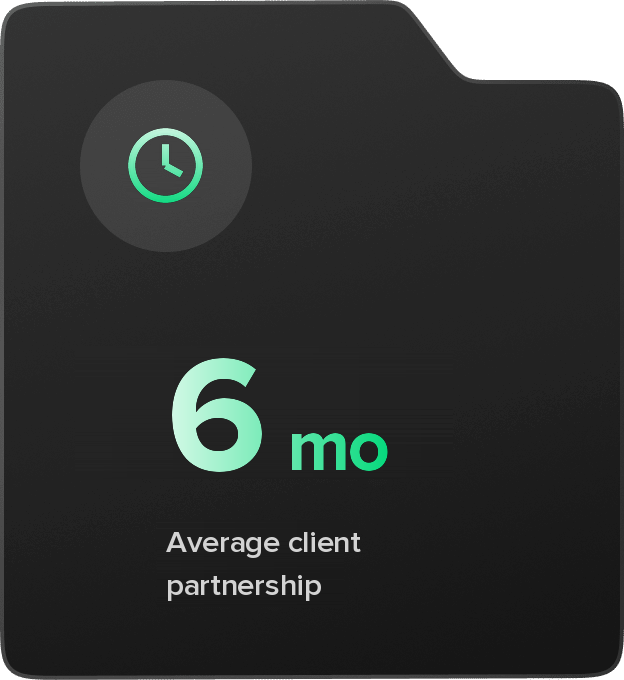
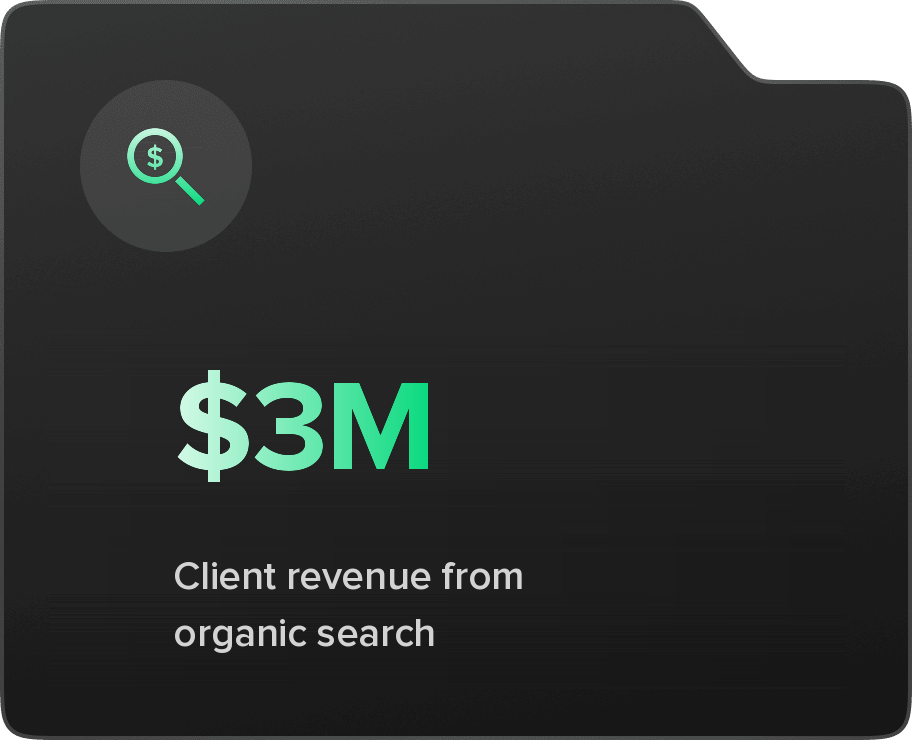
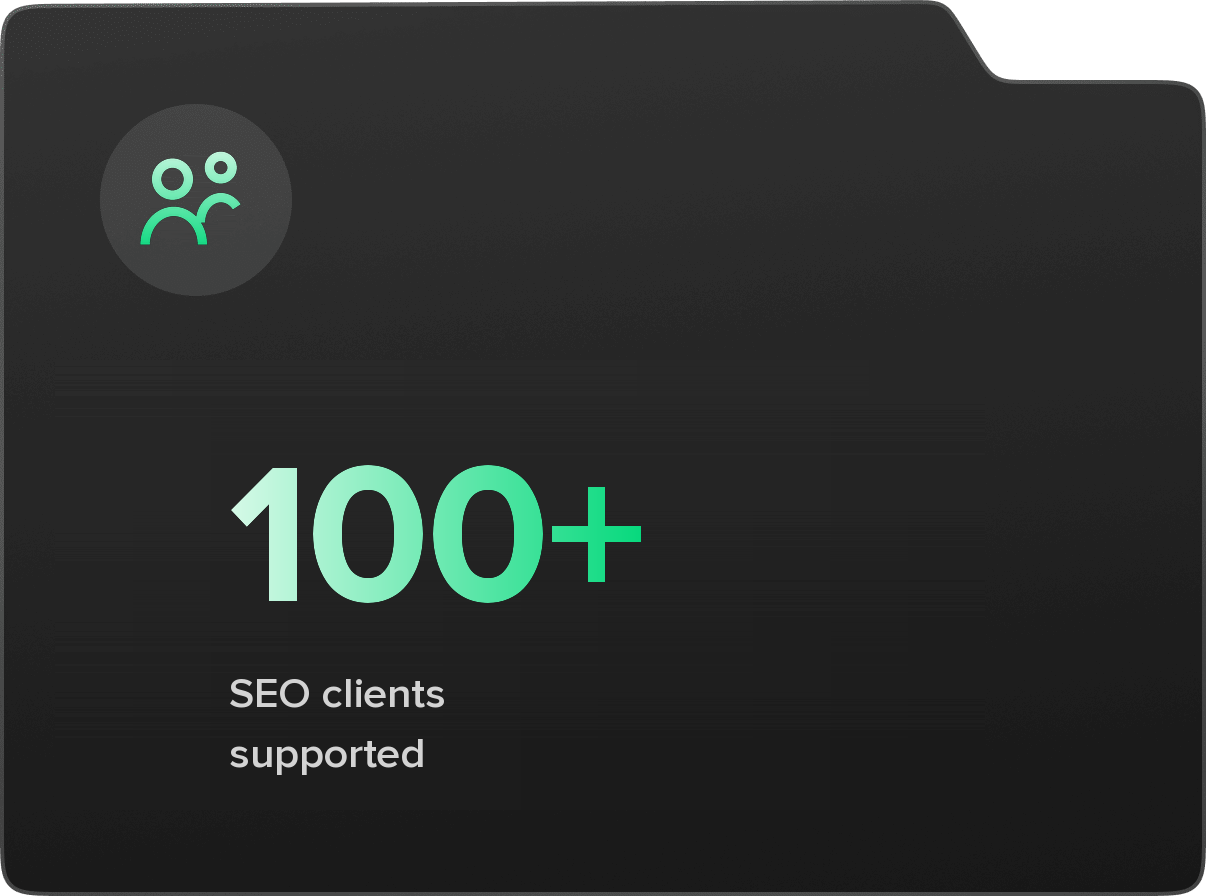
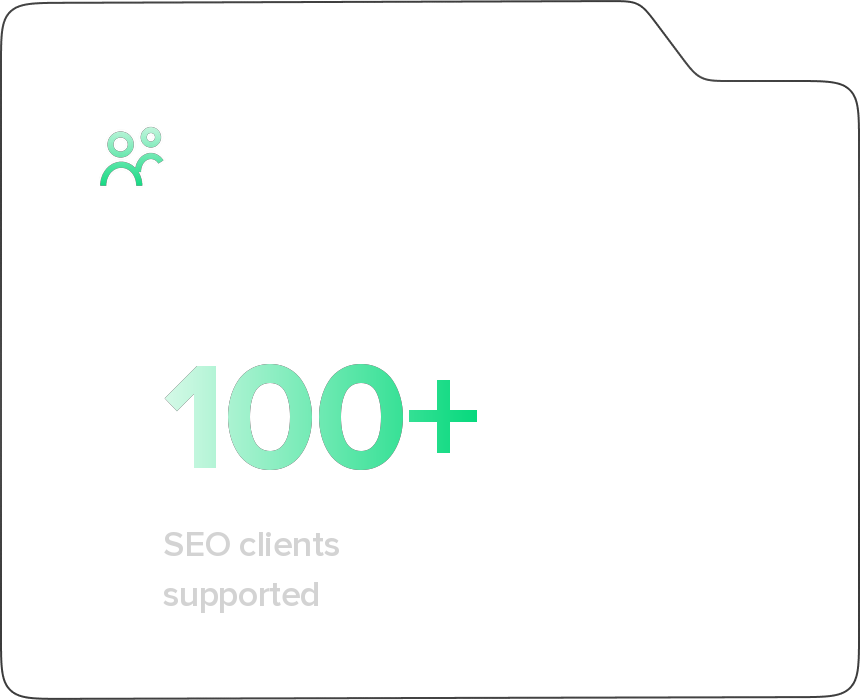
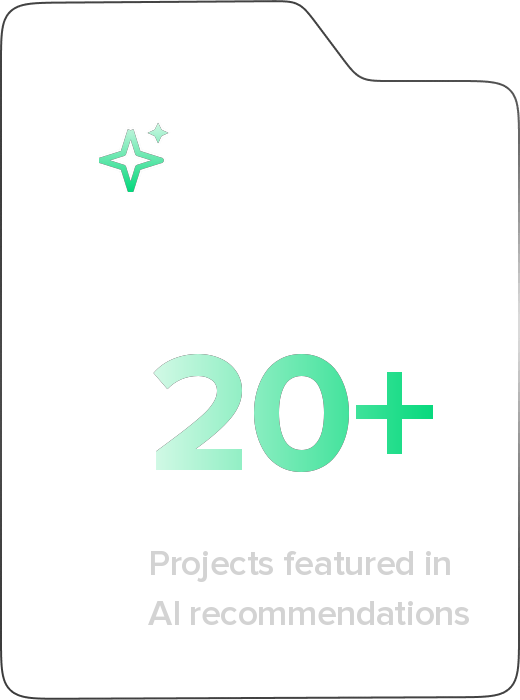
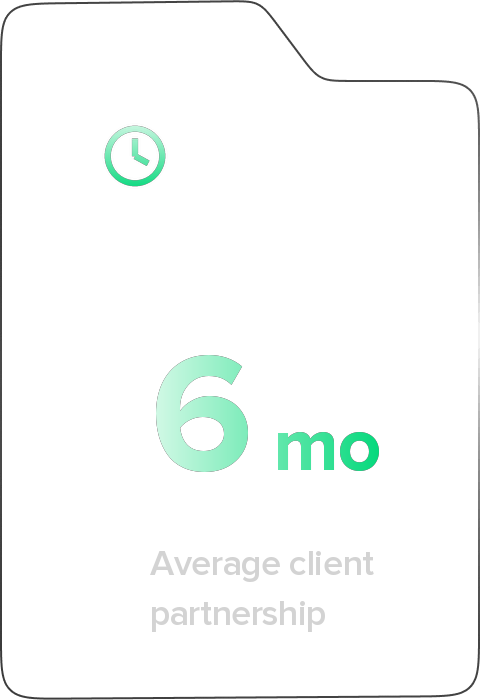
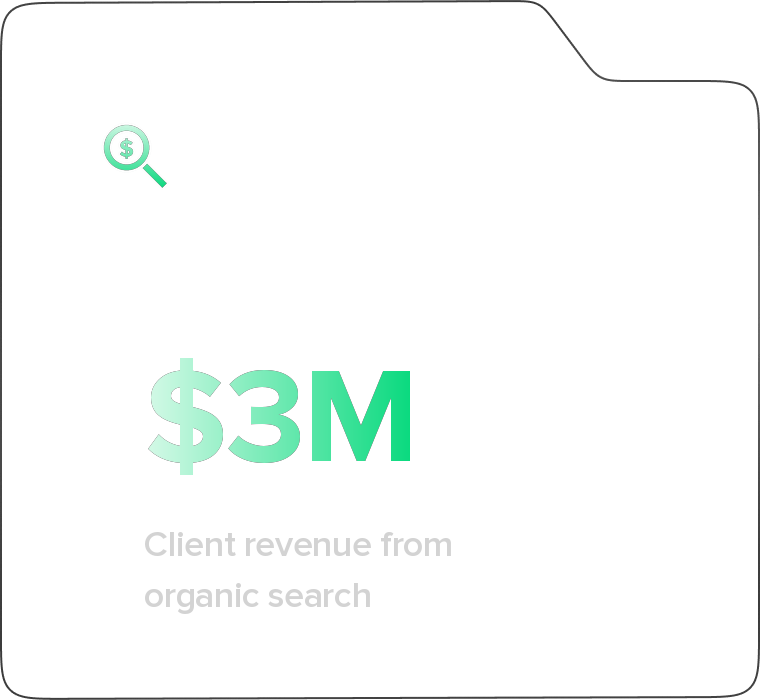
result
A successful strategy starts with understanding what your customer wants, what stands in their way, and what they're willing to do to get the result. From there, that insight shapes everything we run as an ecommerce SEO company: technical optimization, product and collection content, and link building. As competition gets tougher, the brands still growing are the ones customers find when they're ready to buy. Everyone else keeps paying for the next click.
Free Strategy CallWHAT'S INCLUDED

Search
intent
Keyword
map
Page
targets
We start with what your customers search for and which products make sense to grow. Search Console data and competitor research show where demand exists; your sales figures help us decide where to focus. We map keyword groups to collections, product pages and guides, then prioritize the work around commercial value and how competitive the search results are.
Result:A keyword map and a prioritized roadmap, with a clear reason for every page we plan to improve or create.
Book a free Strategy Call
Indexing
Site
speed
Product
schema
We check whether Google can reach and index the pages that matter. Shopify collections, filters and product variants get reviewed for duplicate URLs and canonical issues. We fix broken links and redirects, validate product schema, and address theme or app problems that slow key pages down. Fixes are prioritized by their impact on the store.
Result:Technical barriers addressed, with changes documented and checked so the next stage builds on a setup we can trust.
Book a free Strategy Call
Collection
SEO
Product
SEO
Buying
guides
Your collection and product pages need to answer the search that brought someone there. We improve titles, descriptions and page copy around that intent, with clear product details that help shoppers choose. Buying guides cover questions that need a fuller answer. Internal links connect those guides to relevant collections and products, giving shoppers a useful next step.
Result:Pages matched to relevant searches, with clearer product information and a route to purchase.
Book a free Strategy Call
Link
audit
Outreach
Link
recovery
We review your existing links and research websites relevant to your products and customers. Outreach gives those sites a reason to feature your brand, whether that is a useful buying resource, a product review or specialist insight. We also follow up on unlinked brand mentions and recover valuable links pointing to pages that have moved.
Result:Outreach tied to your niche, with contacted sites and every recovered or newly earned link documented.
Book a free Strategy Call
Weekly
reports
Organic
sales
Monthly
plan
Every week, we review completed work and changes in search performance. Search Console shows how visibility and clicks are changing; GA4 and Shopify help us assess organic traffic, orders and revenue. We track branded and non-branded searches separately, then use landing page performance and longer-term trends to decide what needs attention. Monthly planning sets the next priorities.
Result:You can see what was delivered, how organic performance is changing, and what we will work on next.
Book a free Strategy CallYour customer success manager will contact
you in the next 24 hours.


cases


Health
SEO
Europe
JANUARY, 2026 — TODAY
Online store of Medical Products
AI Impressions:
646,000
AI Citations:
979
AI Revenue:
€1,225.70

Pet Food
SEO
Switzerland
SEP, 2025 — JAN, 2026
Online store of pet food
Clicks:
5,850
Impressions:
195,000
CTR:
3%

Health
SEO
Europe
JUNE, 2026 — TODAY
Online store of Medical Products
Clicks:
1,090
Impressions:
60,500
CTR:
1,8%
REVIEWS

Meet Veronika, Leader of the PPC Team. Feel free to text her and get all that you need.
ASK A QUESTION
What does an ecommerce SEO agency do?
An ecommerce SEO agency grows the orders your store gets from organic search. That means keyword research mapped to collections and products, technical fixes so Google can reach and index the right pages, on-page work on titles and copy, link building and reporting on organic traffic, orders and revenue.
What do your ecommerce SEO services include?
A keyword map and prioritized roadmap, technical SEO for collections, filters and product variants, product schema, on-page improvements to collection and product pages, buying guides with internal links, outreach for relevant backlinks, and weekly reporting with monthly reviews. We also implement the changes, not just recommend them.
Do you work as an ecommerce SEO consultant or as a full team?
As a full team. An ecommerce SEO consultant usually hands over a list of recommendations. We implement the agreed changes ourselves and work with our in-house development team on theme and template issues, so fixes actually go live.
What makes SEO services for ecommerce websites different?
Online stores have problems a content site doesn't: collection filters and product variants that create duplicate URLs, canonical issues, product schema, and apps that slow key pages down. Search intent also splits between category searches, which collections should answer, and specific items, which product pages should answer.
How do you choose keywords for an online store?
We start with what your customers search for and which products make sense to grow. Search Console data and competitor research show where demand exists, and your sales figures show where to focus. Keyword groups are then mapped to collections, product pages and guides, prioritized by commercial value and competition.
How do you handle duplicate content from filters and product variants?
We review how Shopify collections, filters and variants generate URLs, check canonical tags and indexing, and fix what sends search engines to the wrong version of a page. Every change is documented, so later work builds on a setup we can trust.
Do you write the product and collection page content?
Yes. We improve titles, descriptions and page copy around the search that brings someone to the page, with clear product details that help shoppers choose. Buying guides answer the questions that need a fuller answer and link back to the right collections and products.
What kind of backlinks do ecommerce SEO experts build?
Links from websites relevant to your products and customers: publications that feature useful buying resources, product reviews and specialist insight. We also turn unlinked brand mentions into links and recover valuable links pointing to pages that no longer exist. Every contacted site and earned link is documented.
When will ecommerce SEO start bringing orders?
SEO is ongoing work over several months, and the pace depends on your starting point, competition and how quickly changes go live. Early reviews check that fixes work and priority pages gain visibility; after that we look at whether the progress turns into relevant visits and orders.
How do you report on ecommerce SEO results?
Google Search Console shows visibility and clicks; GA4 and Shopify show organic traffic, orders and revenue. Branded and non-branded searches are tracked separately, weekly updates cover completed work, and monthly reviews use longer trends to set the next priorities.
Should ecommerce search engine optimization run alongside paid ads?
Usually, yes. Paid search data shows which queries and products are worth pursuing organically, and organic data reveals opportunities for campaigns. Ad spend does not improve organic rankings directly, but the two channels share the same product pages, so improvements help both.
What other services do you offer?
Shopify SEO, Google Ads and paid search, paid social, retention marketing and web development. Which of them a project needs gets decided by the numbers, not by what we'd like to sell.
Your customer success manager will contact
you in the next 24 hours.


Your customer success manager will contact
you in the next 24 hours.
Your customer success manager will contact
you in the next 24 hours.