Content:
SHARE:


Subscribe and don't miss anything important
Don't worry, we don't spam 😍
Acquiring customers has never been more expensive. Paid media costs keep rising, attribution is getting messier, and growth teams are under pressure to prove efficiency – not just volume.
That’s why more CMOs and eCommerce leaders are shifting focus from constant acquisition to retention of customers they already worked hard to win. The brands that grow sustainably aren’t the ones chasing every new channel – they’re the ones that build durable relationships.
Email sits at the center of that shift. Not as a “newsletter channel,” but as the most reliable system for retention-driven growth.
Why Retention Marketing Breaks Without Email
Retention is about timing, relevance, and trust. Those three things are difficult to control on paid platforms and nearly impossible to own on social media.
Email is different. It’s one of the few channels where you control the audience, the message, and the cadence – without relying on algorithms or fluctuating CPMs. For customer retention, ownership matters more than reach.
Email also connects the dots between lifecycle stages: first purchase, second purchase, repeat behavior, churn risk, and reactivation. Without it, most customer retention strategies stay fragmented and reactive.
What Most Brands Miss in Retention Marketing
Before building more flows or campaigns, it’s worth pressure-testing the basics. This is where many teams lose leverage.
Retention is treated as a campaign, not a system
Sporadic promos don’t create habits. Retention needs consistent lifecycle logic.
One-size-fits-all messaging
New buyers, loyal customers, and dormant users shouldn’t receive the same emails – or the same incentives.
Email isn’t connected to business goals
If retention KPIs aren’t tied to revenue, LTV, or margin, email becomes “nice to have” instead of mission-critical.
Over-reliance on discounts
Discount-led retention trains customers to wait. Sustainable retention builds value and trust first.
Fixing these gaps is often more impactful than adding new tools or channels.
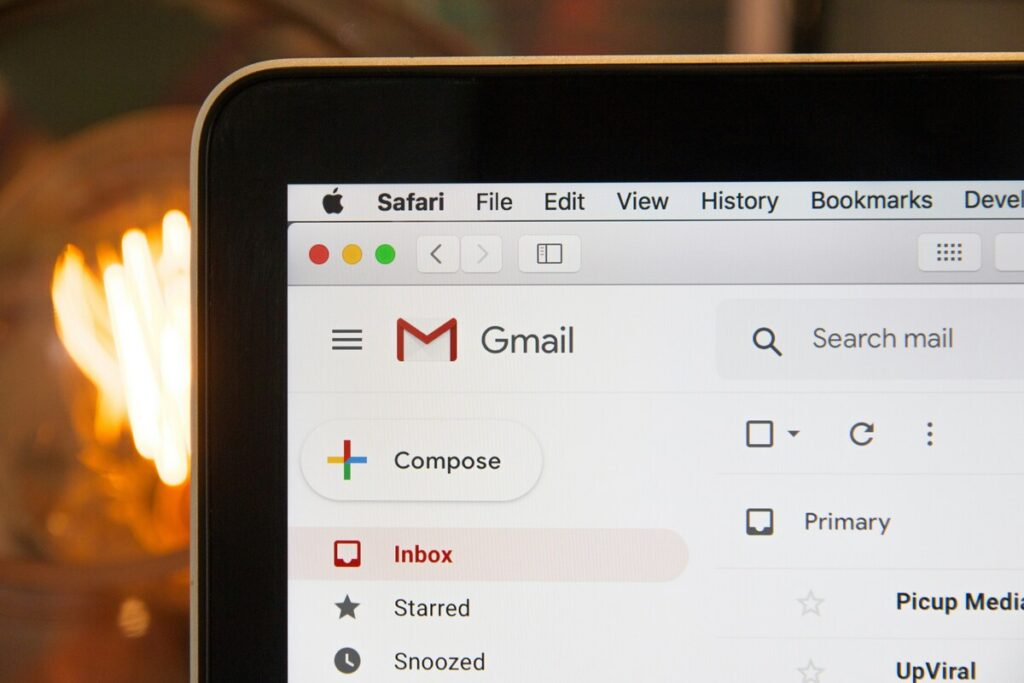
How Email Supports Real Customer Retention
Email works because it adapts to behavior. It responds to what customers do or don’t do without forcing them into a fixed funnel.
Strong email marketing for customer retention typically supports three core moments:
- Onboarding customers after the first purchase
- Encouraging the second and third purchases (where LTV starts compounding)
- Re-engaging customers before they fully churn
This is where email becomes the connective tissue between brand, product, and performance.
Building an Email Retention Strategy That Scales
This checklist focuses on execution, not volume. You don’t need dozens of flows to make email work.
1. Lifecycle-based segmentation
Segment customers by behavior, not demographics. Purchase history beats assumptions.
2. Clear purpose per flow
Every email should answer one question: “What action should this customer take next?”
3. Value-first content
Education, use cases, and product context outperform constant promotions over time.
4. Consistent feedback loops
Use email engagement to inform paid, product positioning, and content, not just open rates.
When aligned correctly, an email retention strategy doesn’t compete with acquisition-it stabilizes it.
Email as a Long-Term Growth Asset
Retention isn’t about squeezing more revenue out of customers. It’s about reducing volatility and building predictable growth. Email enables that by creating a direct, measurable relationship with your audience.
The most effective customer retention strategies treat email as infrastructure, not just a channel. When that mindset shifts, retention stops being reactive – and starts compounding.
If your team is thinking about long-term growth efficiency, reviewing how email supports retention is often the fastest way to uncover hidden upside. A short strategic conversation can clarify where email fits into your broader retention goals—and where it might already be underperforming.