Content:
SHARE:


Subscribe and don't miss anything important
Don't worry, we don't spam 😍
For many Shopify brands, the challenge isn’t a lack of growth options—it’s knowing which lever to pull first. CMOs and founders are constantly weighing PPC against SEO and email, trying to balance tight budgets with aggressive revenue targets.
The problem is that most comparisons oversimplify the math: PPC is “fast,” SEO is “slow,” and email is “free.” That framing usually leads to wasted spend and stalled growth. In 2026, acquisition costs are higher, and attribution is more complex than ever. Leadership expects marketing to drive predictable ROI, not just run expensive experiments. This guide breaks down how to strategically prioritize these channels based on your margins, business stage, and growth goals.
The Question Most CMOs Get Wrong
The mistake isn’t choosing the “wrong” channel. The mistake is asking “Which channel is best?” instead of “What role should each channel play for us right now?” High-performing Shopify brands don’t just pick a channel and hope for the best; they sequence them. Before you dive into the specifics, you have to weigh four critical factors:
- Cash Flow Realities: Can you afford to wait six months for a return?
- Time to Impact: How quickly do you need to hit your next revenue milestone?
- The Retention Balance: Are you just filling a leaky bucket?
- Internal Capacity: Do you have the team to actually execute the strategy?
1. PPC: Speed, Control, and Expensive Truths
PPC is unmatched for speed to market and testing offers. For early-stage or scaling brands, it often unlocks revenue faster than anything else by allowing you to capture high-intent demand immediately.
However, PPC works until it doesn’t. Rising CPCs and creative fatigue mean that relying on paid media alone is a fragile strategy.
Prioritize PPC when:
- You need to generate revenue today to fund tomorrow’s operations.
- You are launching new products and need immediate market feedback.
- You have high margins and a solid backend to support high acquisition costs.
Where brands trip up: Most teams scale spend before validating Customer Lifetime Value (LTV). They treat ads as a total growth strategy rather than a demand-capture tool, often ignoring the post-click experience or expecting ads to fix a product that simply isn’t resonating.
2. SEO: Compounding Growth, Not Instant Gratification
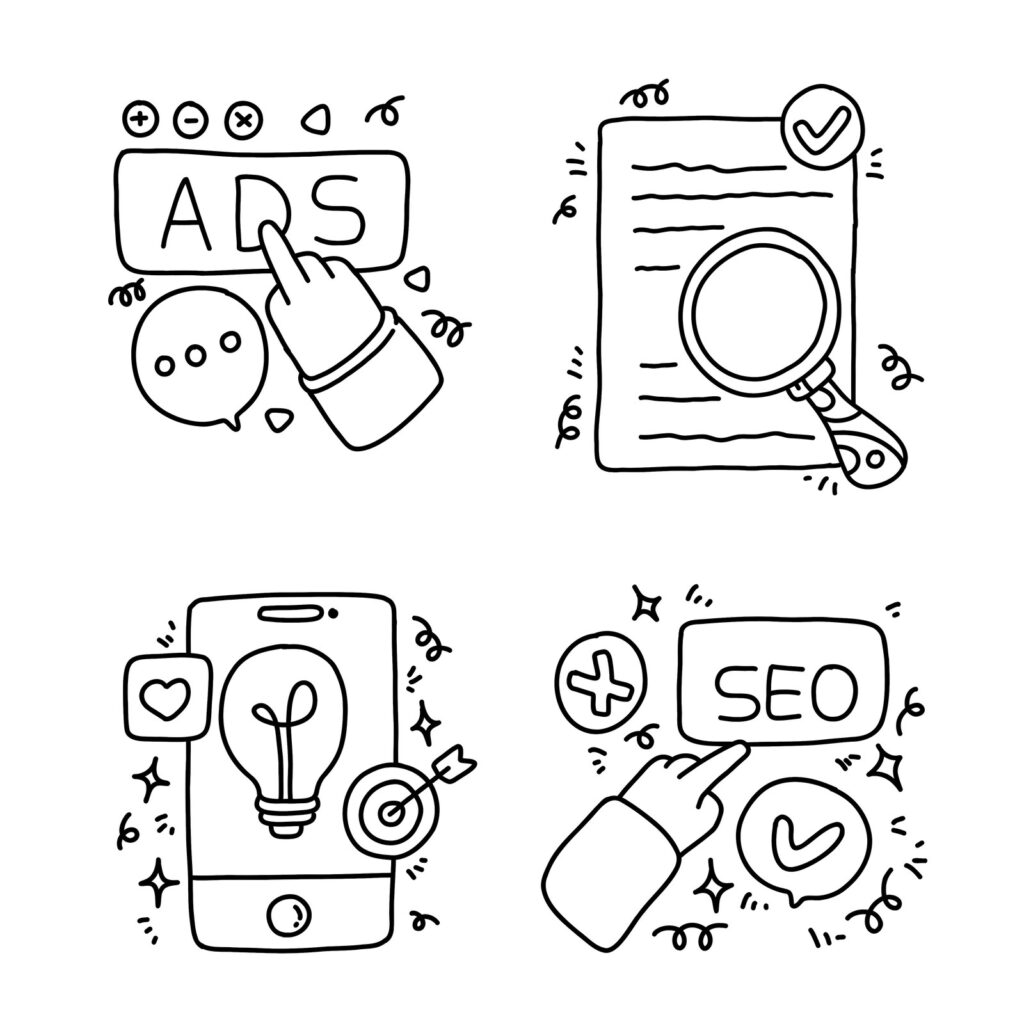
SEO isn’t about “free traffic”—it’s about building long-term acquisition efficiency and reducing your dependency on paid media. When PPC and SEO work together, PPC validates which keywords actually convert, while SEO builds the durable infrastructure to capture that demand without a per-click fee.
Invest early in SEO if:
- Your product category has high organic search volume.
- You want to lower your blended CAC (Customer Acquisition Cost) over time.
- You are planning for long-term scale rather than just hitting next month’s target.
Where brands trip up: SEO fails when it’s treated as a “content factory” disconnected from revenue. If your blogs aren’t tied to buyer intent or your product pages are technically broken, you’re wasting time. SEO also loses when leaders try to measure it with the same short-term KPIs as PPC.
3. Email: The Profit Multiplier
Email doesn’t create demand; it maximizes it. It is the infrastructure that turns one-time shoppers into repeat customers. Strong SEO and email marketing work in tandem to ensure that the traffic you worked so hard to get actually stays within your ecosystem.
Focus on Email when:
- You have consistent traffic but low repeat purchase rates.
- Paid media efficiency is starting to slip.
- You are prioritizing profit margins over raw top-line growth.
Where brands trip up: Many Shopify brands settle for basic “Welcome” and “Abandoned Cart” flows. They under-segment their lists and send generic promotions instead of targeted strategies, forgetting that email performance is entirely dependent on the quality of traffic coming in from other channels.
A Strategic Framework for Sequencing
In 2026, the winning model isn’t choosing one channel—it’s knowing when to introduce the next.
- Phase 1: Prove Demand. Use PPC to validate your offers and messaging while setting up basic email flows to capture the traffic you’re buying.
- Phase 2: Reduce Risk. Begin investing in SEO to build an organic “moat” alongside your paid efforts. Focus on CRO (Conversion Rate Optimization) to ensure your traffic—paid or organic—actually converts.
- Phase 3: Scale Efficiently. This is where SEO drives non-paid growth, email maximizes LTV, and PPC becomes a precision lever you pull for specific launches rather than a lifeline you depend on.
Final Thoughts
There is no universal winner in the PPC vs. SEO debate—only the right order of operations. The brands that scale profitably don’t argue about channels; they align them around business goals and timelines.
Start with what unlocks momentum, invest early in what compounds, and build a system that turns traffic into predictable revenue.