Content:
SHARE:


Subscribe and don't miss anything important
Don't worry, we don't spam 😍
This case study breaks down how we took a cookware brand from barely breaking even on paid ads to building a multi-channel growth system that delivered record-breaking Q4 results in 2025.
Client’s Story
A premium cookware brand offering high-quality Dutch Ovens for the U.S. market had previously launched multiple Meta Ads campaigns but struggled with low ROAS and minimal profitability.
Initial Request
Our team was tasked with reimagining the brand’s paid traffic strategy to reach profitability while maintaining a consistent target ROAS.
Challenges we faced
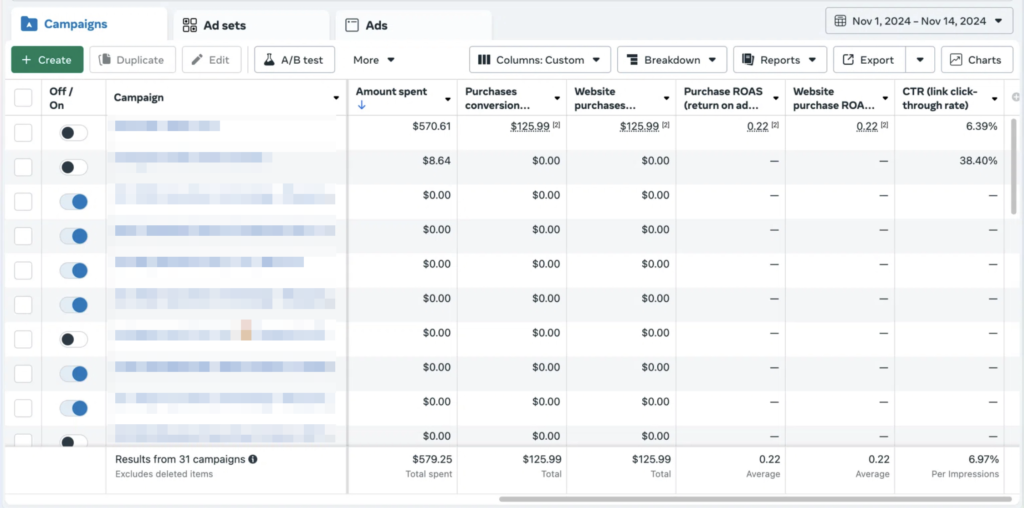
As a newcomer in a competitive niche, the brand lacked the historical performance data essential for optimizing Meta Ads. Previous campaigns resulted in a low starting ROAS of just 0.22, highlighting inefficiencies in audience targeting. The brand required a strategic overhaul to unlock its potential and build a loyal customer base.
The Growth Method
Strategic analysis:
We reviewed historical ad performance to identify misaligned targeting and underperforming creatives. Based on this analysis, we rebuilt the strategy around interest-based campaigns designed to feed the algorithm with high-quality, relevant data from audiences most likely to value durable, functional Dutch Ovens.
Building a retargeting foundation:
A traffic campaign was launched alongside interest-based campaigns to drive more users to the website while building an audience base for future retargeting. This campaign ran on a minimal budget and played a key role in generating warm leads for future conversions.
Leveraging Advantage+ Shopping campaigns for optimization:
To capitalize on the foundation laid, we introduced Meta’s Advantage+Shopping campaigns. This advanced tool harnesses AI to automatically optimize ad delivery, identifying top-performing audience segments, placements, and creative combinations.
Creative testing:
We tested a mix of UGC-style videos featuring real user experiences alongside high-performing static ads. Static creatives strongly emphasized a 20% website discount and clearly communicated key product benefits, appealing to both emotional and practical buying motivations.



Early results
Phase 1: In just two weeks, we achieved an incredible 895.45% growth in ROAS, increasing it from 0.22 to 2.19. Meanwhile, the brand’s revenue grew by 1868.63%, marking a significant turning point in paid traffic performance.

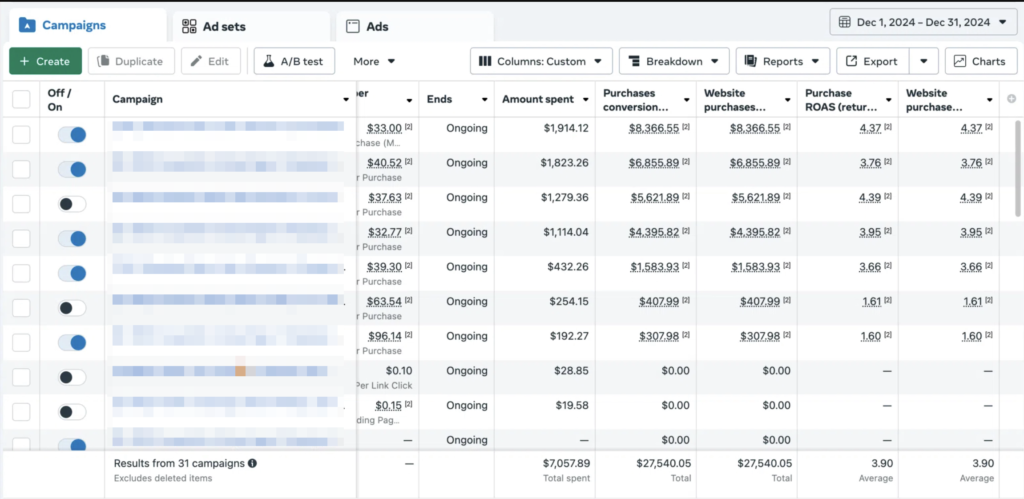
Phase 2: By scaling Advantage+Shopping campaigns and optimizing active ads, the brand achieved an impressive 11-fold increase in sales volume. ROAS grew by 78.08%, climbing from 2.19 to 3.90, showcasing the efficiency of our strategies.
Scalling limit
At the beginning of 2025, we started scaling Meta Ads budgets more aggressively.
The overall trend remained positive:
- Stable and predictable ROAS
- Consistent revenue growth
- Strong algorithm performance compared to the initial launch phase
But a natural scaling ceiling appeared – not due to ads, but due to the business operational system:
- Demand saturation within a single channel
- Website conversion rate (CR) became a bottleneck
- Limited brand awareness increased marginal CAC at higher spend levels
- Heavy dependency on one acquisition channel
Key insight: Scaling spend on a single platform does not equate to scaling the business. To scale significantly, we needed to build a multi-channel, conversion-optimized growth system.
Channel expansion
Google Ads
The first strategic step was to launch Google Ads to capture high-intent demand and reduce reliance on paid social alone.
Google Ads allowed us to:
- Capture bottom-of-funnel users actively searching for solutions
- Diversify traffic sources and stabilize overall performance
- Build stronger demand capture around non-branded and branded search
- This channel quickly became a critical part of the ecosystem, especially as brand demand grew.
Conversion Rate Optimization
While analyzing performance across channels, we identified that the website CR was the main growth constraint.
To remove this bottleneck, we focused on CRO (Conversion Rate Optimization):
- UX improvements
- Clearer product positioning
- Better information hierarchy and value communication
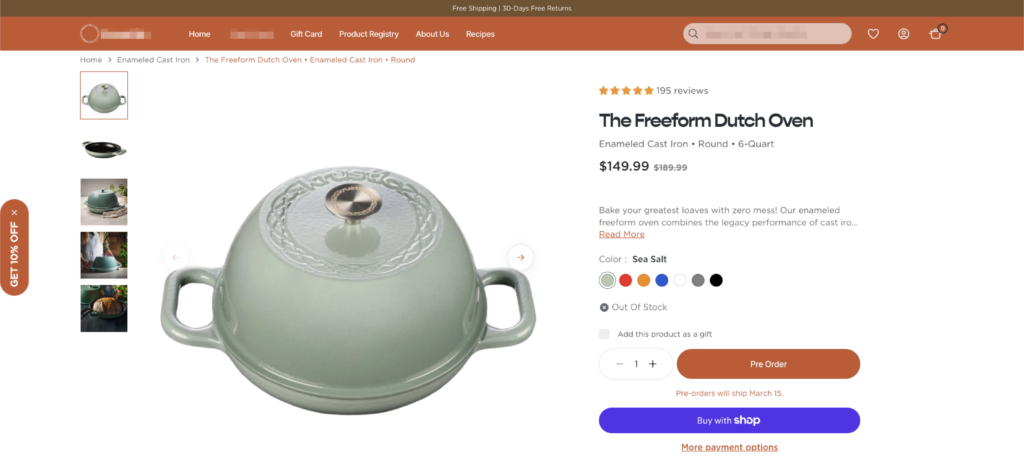
In summer 2025, we launched a new version of the website, which immediately showed:
- A significantly higher conversion rate
- Improved user engagement
- Better performance across both Meta Ads and Google Ads
This step enabled scaling traffic without sacrificing efficiency.
UGC strategy
After stabilizing performance across channels, we analyzed niche creator content and identified a major opportunity to increase brand awareness and trust.
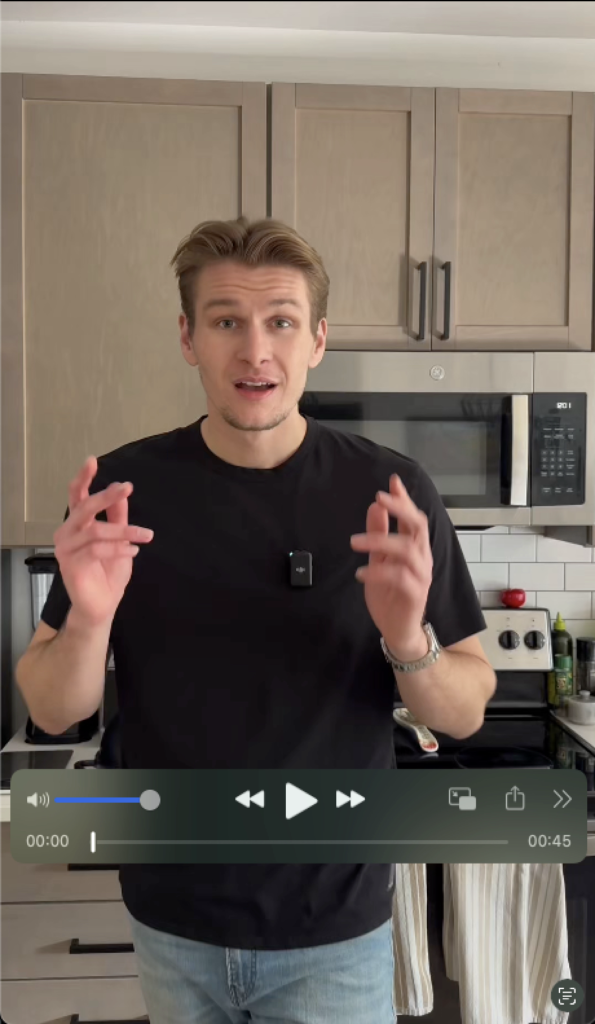
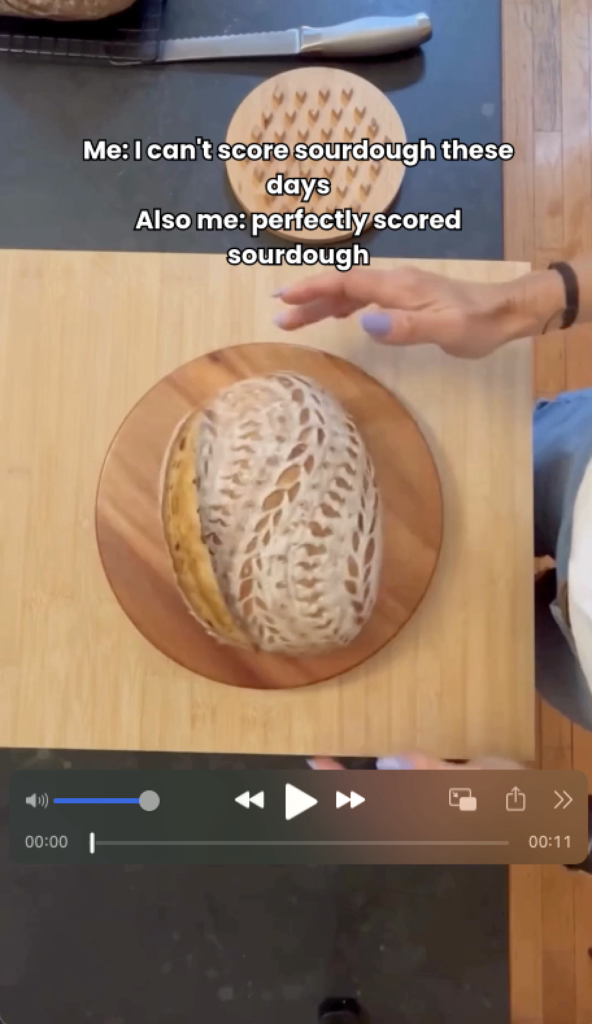

To address this, we launched creator partnerships and collaborative UGC content.
Impact of partner UGC:
- Strong uplift in performance on Meta Ads
- Improved Google Ads efficiency
- Rapid growth in branded search volume
Over time, branded keyword campaigns became among the best-performing in Google Ads, confirming that creator-driven content directly contributed to demand generation.
Increasing AOV
With acquisition performance stabilized, the next focus was on increasing AOV.
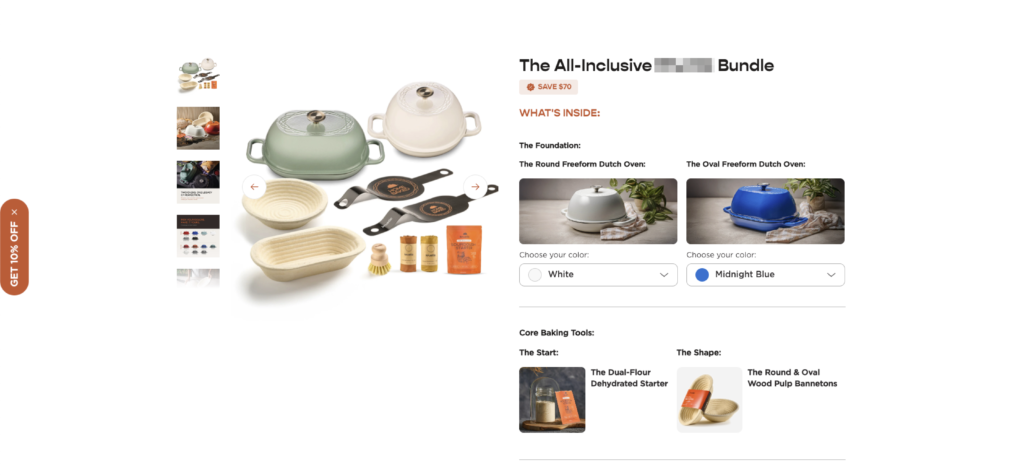
We introduced a complete beginner bundle, including:
- All essential products needed to start baking
- A clear “all-in-one” solution for first-time customers
This bundle was strategically designed for Q4, when gift-buying intent is at its highest.
Landing page optimization
To properly communicate the value of the bundle, we created a dedicated landing page, allowing us to:
- Explain the full value proposition in detail
- Educate first-time buyers
- Improve CR for higher-ticket purchases
Search opportunity
While analyzing search volume and CPCs in Google Ads, we identified a major opportunity:
Long-tail keywords such as:
- “how to bake sourdough”;
- “easy sourdough bread recipe”;
- “sourdough for beginners”.
Showed:
- High and growing search demand
- Extremely low CPCs
This insight became a game-changer.
Recipe landing page strategy
We built a dedicated recipe hub, featuring:
- Recipes for different skill levels
- Educational, value-driven content
- Strong soft entry into the product ecosystem
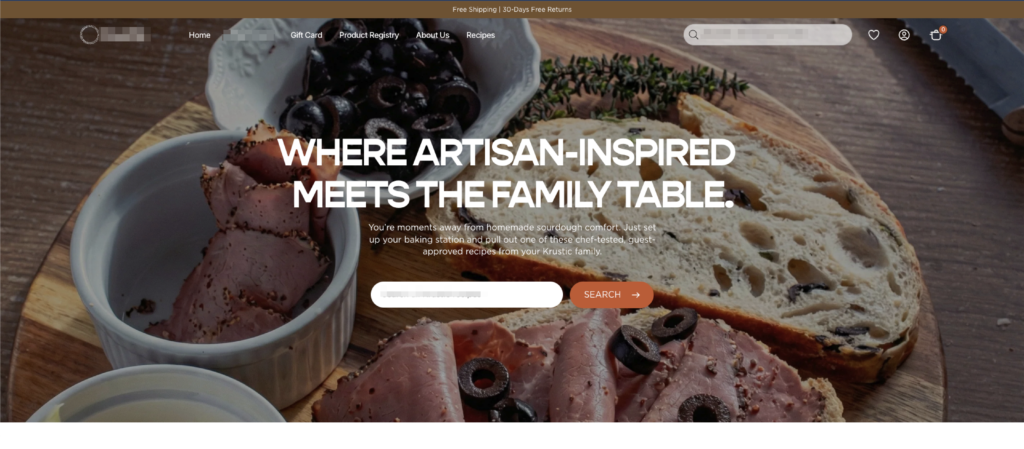
This landing page:
- Delivered value before selling
- Became a scalable traffic source for Google Ads
- Created high-quality warm audiences for retargeting
Q4 results
By building this system step by step – multi-channel acquisition, CRO improvements, creator-led demand generation, AOV optimization, and content-driven traffic – we achieved a record-breaking Q4.
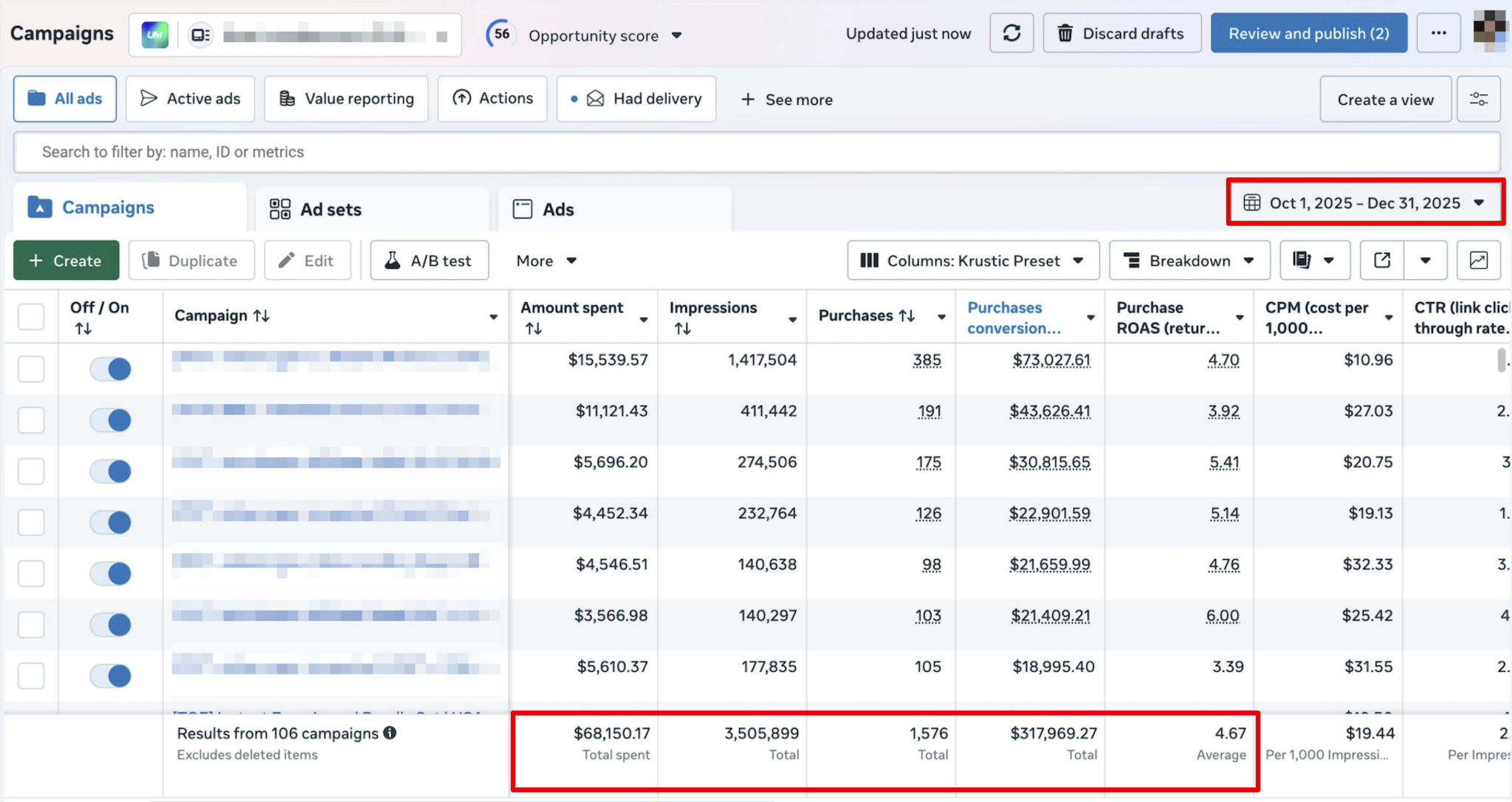
Meta Ads performance (October–December):
- Previous year: $30,718.18
- Current year: $317,969.27
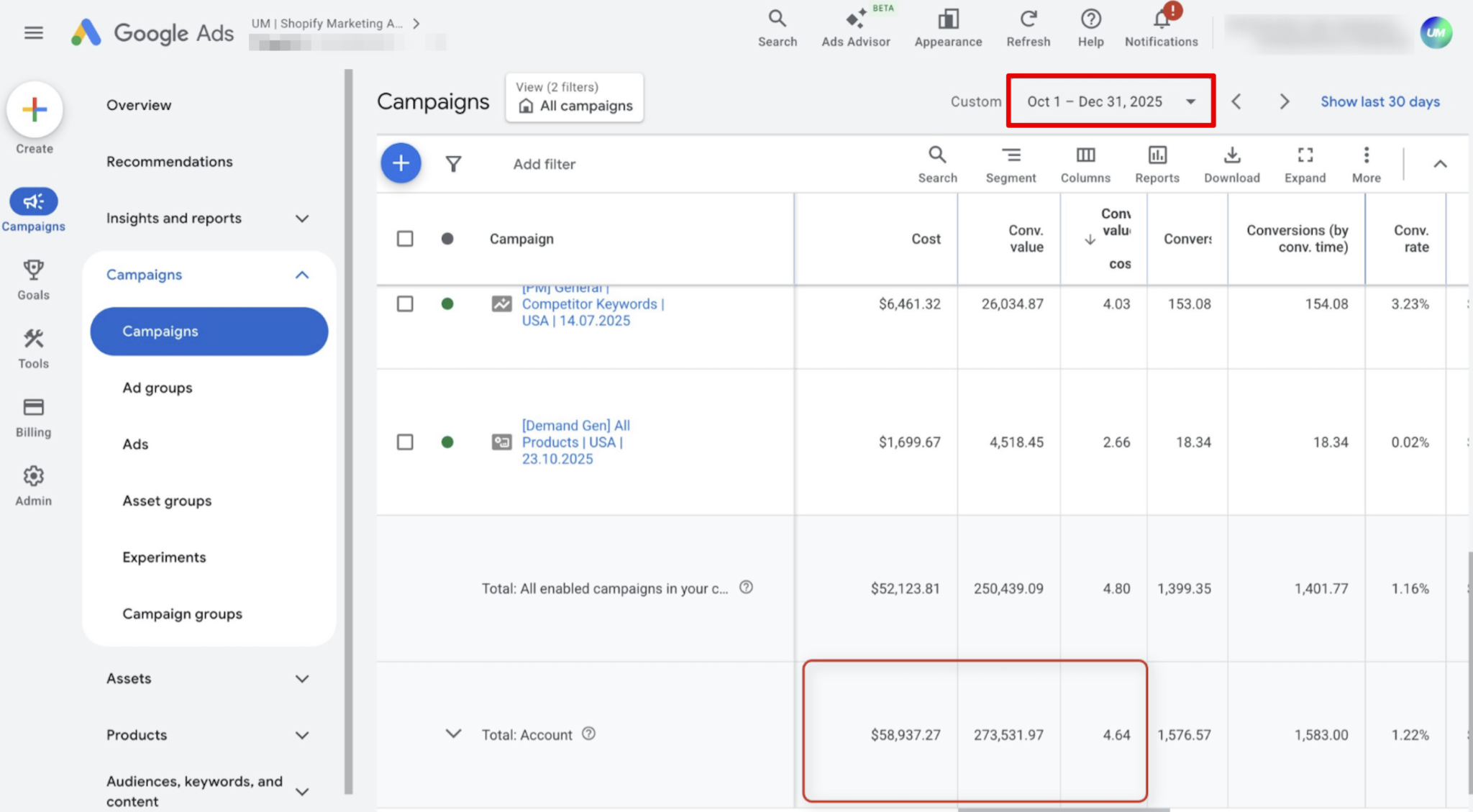
Google Ads performance (October–December):
Current year: $273,531.97
Google Ads became a second core growth engine during Q4, driven by:
- Strong performance of branded search campaigns following increased brand awareness
- Efficient capture of high-intent non-branded traffic
- Scalable long-tail keyword strategy supported by educational and recipe-based landing pages
The combination of low CPCs, growing search demand, and improved website conversion rate allowed Google Ads to scale efficiently while maintaining strong unit economics.
During Q4, the brand transitioned from channel-dependent scaling to a system-driven growth model. By combining Meta Ads demand generation, Google Ads intent capture, improved website conversion rate, creator-led brand building, and AOV optimization through bundles, the business achieved its strongest quarter to date.
This period confirmed that sustainable scale was driven not by increasing budgets alone, but by aligning acquisition, conversion, and monetization into a single, scalable growth system.
Total results
Looking at performance across Meta Ads and Google Ads over the selected period, the brand built a highly efficient, scalable paid acquisition system rather than relying on a single channel.
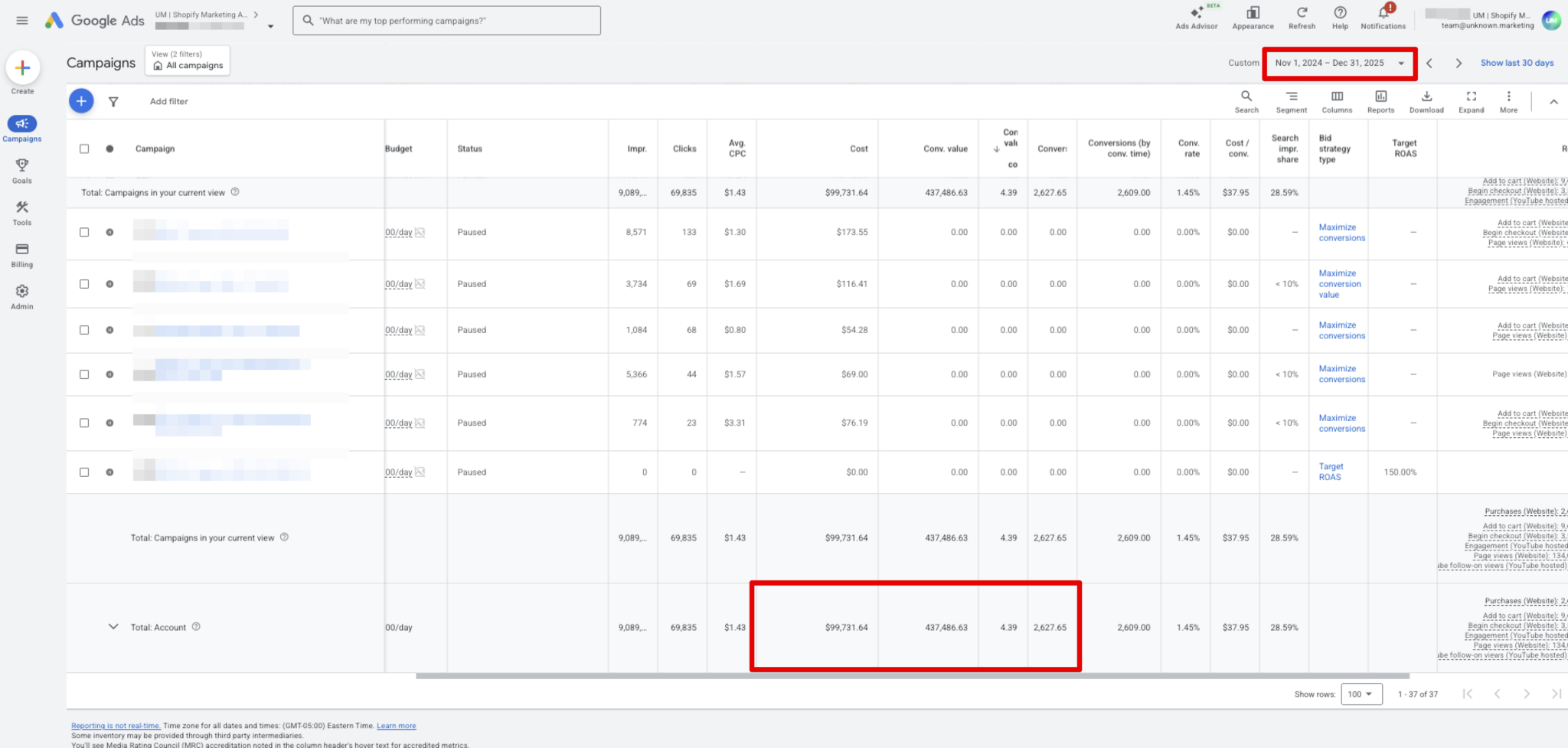
On Google Ads, total ad spend reached $99,731.64, generating $437,486.63 in revenue. This resulted in a 4.39 ROAS and more than 2,600 tracked purchase conversions, driven by a mix of high-intent search traffic, branded demand, and low-cost educational queries that consistently converted into customers.
On Meta Ads, total spend amounted to $163,175.11, producing $670,991.46 in revenue with an average ROAS of 4.11. During this period, Meta Ads generated 3,710 purchases, fueled by a combination of UGC-driven demand generation, structured full-funnel campaigns, and improved website conversion rates.
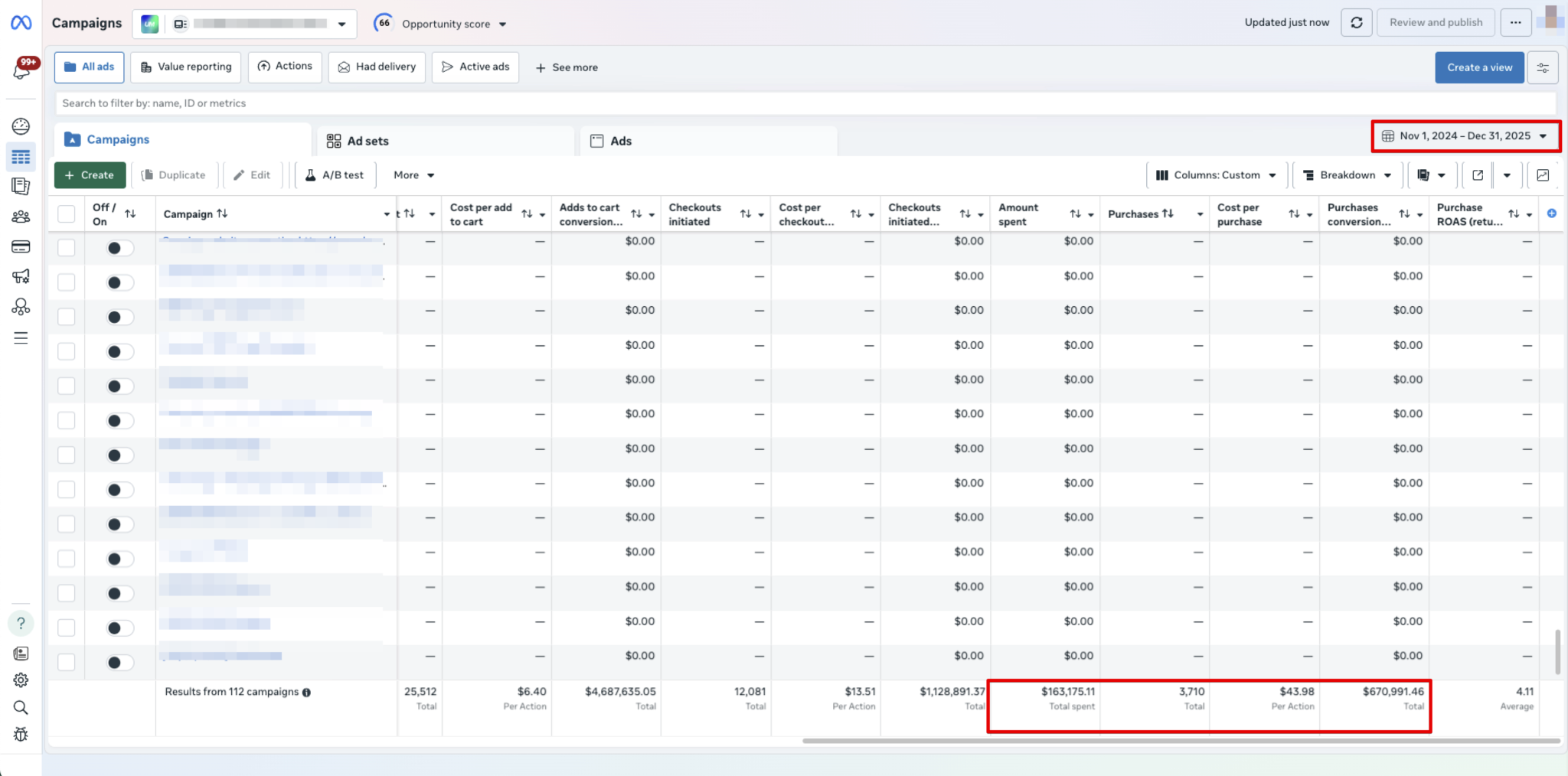
Combined, both platforms generated over $1.1M in revenue from approximately $262,900 in total ad spend, while maintaining strong unit economics and predictable performance. These results reflect not isolated campaign wins, but a system-level approach where paid traffic, conversion optimization, demand generation, and monetization worked together to support sustainable scale.
Looking to grow your cookware brand with strategic, data-driven Meta Ads campaigns? Let’s discuss how we can help you achieve similar results.