Content:
SHARE:


Subscribe and don't miss anything important
Don't worry, we don't spam 😍
If you’ve ever Googled this question yourself, you’ve probably seen some version of the same answer: “3 to 6 months.” That’s not wrong — but in 2026, it’s dangerously incomplete.
Search has changed more in the last 18 months than in the previous five years. AI Overviews now sit above organic results on millions of queries. Google’s AI Mode is reshaping how users discover information. Zero-click searches are climbing. And Google just rolled out another core update in March 2026. All of this affects how long SEO takes — and more importantly, what “results” even means now.
Here’s an honest, updated answer.
The Short Answer: 3–12 Months, Depending on Where You Start
SEO typically takes 4 to 6 months to begin showing measurable results in search rankings and organic traffic. While small technical wins can appear within the first 90 days, significant business growth and compounding ROI usually mature between 9 and 12 months.
That’s the general rule. But your actual timeline will sit somewhere on a wide spectrum depending on your domain’s history, technical health, content depth, competition, and how aggressively you execute. A brand-new Shopify store entering a competitive niche will have a very different experience from an established e-commerce site refreshing its content strategy.
Large-scale research shows that only 1.74% of newly published pages reach Google’s top 10 within their first year — which is a sobering number if you’re expecting quick wins from SEO alone, but a liberating one if you understand that consistent, compounding effort is exactly what separates the brands that dominate from those that don’t.
A Realistic Month-by-Month SEO Timeline
Here’s what you should actually expect at each stage, based on how SEO works in 2026:
Months 1–2: Foundation
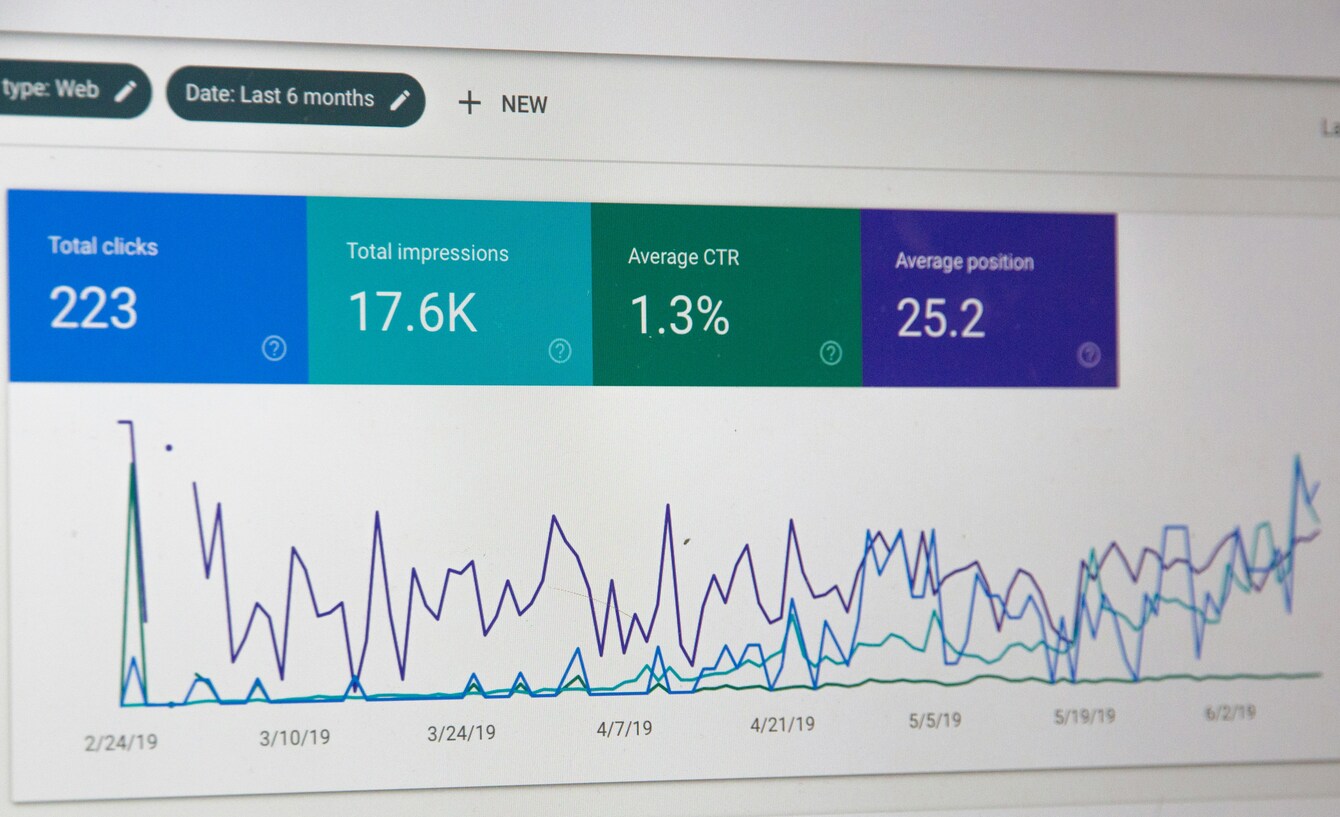
This phase is entirely about infrastructure. Technical audits, fixing crawl errors, improving site speed, building out your keyword map, and structuring your content plan. You may not see ranking changes yet. This phase is entirely about building a strong base. Impressions may start to tick up in Google Search Console, but don’t mistake the absence of traffic for a lack of progress — Google is watching.
Months 3–4: Indexing and Early Signals
Google starts crawling and processing your improved pages. Long-tail keywords begin entering the index. If you’ve targeted low-competition informational queries well, you may see your first ranking movements here. Some pages will enter positions 15–30 and begin testing upward.
Months 5–6: First Traction
Organic traffic starts its upward climb, and you might even see your first SEO-driven sales. Products start ranking for transactional terms. This is where most brands stop asking “is it working?” and start asking “how do we do more of this?”
Months 7–9: Compounding Growth
Authority compounds. Pages that ranked in positions 8–12 push into the top 5. Internal linking starts to amplify the value of your best content. Backlinks earned in earlier months begin moving the needle. Revenue from organic search becomes consistent, not occasional.
Months 10–12: Stability and Scale
Many e-commerce sites hit their first consistent ROI from SEO at this stage, with many achieving their first top 10 rankings and experiencing more stable SEO results, especially with consistent content, backlinks, and a strategic keyword approach.
What Determines How Fast You See Results?
Not all SEO timelines are equal. These are the biggest variables that will accelerate or delay yours:
| Factor | Faster Timeline | Slower Timeline |
| Domain age | Established domain (3+ years) | Brand new domain |
| Technical health | Clean, fast, mobile-optimized | Crawl errors, slow pages, poor UX |
| Competition | Niche or long-tail keywords | Broad, high-volume terms |
| Backlink profile | Existing authority | Starting from zero |
| Content quality | Depth, structure, E-E-A-T | Thin, generic, AI-generated fluff |
| Execution pace | Consistent weekly output | Sporadic, low volume |
A website that has been active for ten years typically ranks faster than a brand-new domain because it already has a history of trust. That doesn’t mean new sites can’t win — it means they need a smarter approach to keyword targeting early on, starting with less competitive terms and building up.
What’s Actually Different About SEO in 2026
This is the part most articles skip, and it matters significantly for how you interpret your results.
AI Overviews have changed what “winning” looks like
AI Overviews reduce organic clicks on the top result by an average of 34.5%. At the same time, up to 58% of Google searches now result in zero clicks— meaning the user gets their answer directly from the SERP without ever visiting your site.
This sounds alarming. But here’s the flip side: Google’s AI Overviews now summarize answers at the very top of the page, and if you provide high-quality, expert-led information, you can actually see fast wins by appearing in these AI summaries before you even reach the #1 organic spot.
In other words, you can be influencing purchase decisions before you’ve “ranked” in the traditional sense. A brand cited in an AI Overview for a buying-intent query is getting visibility that didn’t exist two years ago.
Google is now much more cautious about new content
With the flood of AI-generated content on the web, Google takes extra time to verify that your brand is a real, reliable authority in your field. This is precisely why thin, mass-produced content — even if technically optimized — is getting crushed in 2026. E-E-A-T (Experience, Expertise, Authoritativeness, Trustworthiness) isn’t just a buzzword anymore. It’s a survival requirement.
Brand signals now drive AI visibility
Brand search volume has emerged as the strongest predictor of AI citations, with a stronger correlation than traditional backlinks. This represents a real shift: the more people search for your brand by name, the more likely AI systems are to surface you in their answers. SEO and brand marketing are no longer separate strategies.
Why SEO Takes Time — And Why That’s Actually Good News
The delay isn’t arbitrary. Google is in the business of trust. It wants to ensure that when a user asks a question, the answer provided is accurate, authoritative, and safe. If any website could rank overnight, the search results would be flooded with spam and low-quality information.
The friction is the filter. And it’s what makes SEO valuable in the first place: once you’ve earned authority, competitors can’t simply outbid you the way they can on paid channels. A well-executed SEO strategy compounds in a way that paid ads never will — because every piece of content you publish, every backlink you earn, and every technical improvement you make builds on everything before it.
That’s the trade-off. PPC gives you traffic on day one and stops the moment you pause your budget. SEO takes longer to start, but it builds an asset that keeps working for you long after you’ve moved on to the next campaign.
3 Signs Your SEO Is Working (Even If You Can’t See It Yet)
- Impressions are growing in Google Search Console — Rising impressions mean Google is indexing your pages and entering them into auctions. Rankings follow impressions; traffic follows rankings. If impressions are climbing, you’re on track.
- You’re appearing in AI Overviews for informational queries — Check whether your content is being cited in Google’s AI summaries. Nearly nine in ten queries triggering AI Overviews have informational intent, so educational content that educates, explains, or defines is your fastest path to this kind of early visibility.
- Branded search volume is increasing — More people searching your brand name directly is one of the strongest signals that your content is being discovered and remembered. It also feeds directly into your AI visibility down the line.
3 Reasons Your SEO Is Taking Longer Than It Should
- Technical blockers you haven’t fixed — If search engines can’t properly crawl and index your site, all your content efforts are diminished. Broken internal links, slow page speed, poor mobile performance, and missing structured data are the most common culprits.
- You’re targeting keywords you can’t realistically compete for yet — Going after high-volume, broad terms before you’ve built topical authority is a fast way to spend months with nothing to show. Start with long-tail, lower-competition terms and build from there.
- Your content doesn’t demonstrate real expertise — Google has become very good at identifying low-effort, AI-generated content. While AI can help with research, your content needs a human touch and original insight to rank well in the 2026 search environment. Generic, template-driven blog posts are not an SEO strategy in 2026 — they’re noise.
How to Accelerate Your SEO Timeline
You can’t force Google to rank you faster. But you can remove friction. The most impactful things you can do right now:
- Fix technical issues before doing anything else — they’re a ceiling on everything else
- Build topical clusters around your core service areas rather than publishing isolated posts
- Target long-tail, high-intent keywords where you can realistically compete today
- Earn backlinks through data-driven content, original research, and PR — not directories
- Refresh existing content regularly; content updated in the past three months averages significantly more AI citations than outdated pages
- Make your content structurally clear, so both Google and AI systems can easily extract and cite it
Conclusion
SEO in 2026 takes roughly 4–12 months to generate meaningful results, depending on your starting point. The 3-month number you see everywhere is when early signals start appearing — not when you should be expecting revenue impact. The brands that get the most from SEO are the ones that treat it as a long-term infrastructure investment, not a short-term traffic tactic.
The compounding nature of organic search is both its main challenge and its most powerful feature. Start now, execute consistently, and the results become harder for competitors to undo with every passing month.
Thinking about SEO for your Shopify store, but not sure where to start?
At UM, we combine technical SEO, content strategy, and performance marketing to build organic growth that compounds alongside your paid channels. Book a free strategy call to see what a realistic SEO roadmap looks like for your brand.